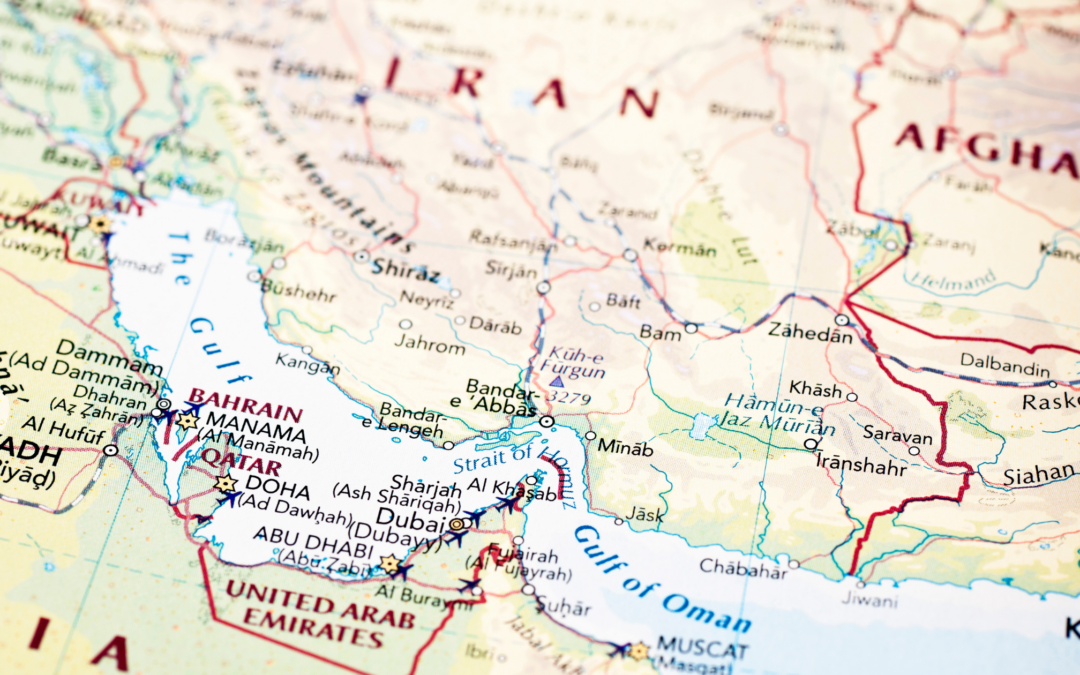
As we’ve shared in the past, activity in one part of the world can affect what happens globally. In shipping, it’s always a ripple effect. That’s especially true with the current conflict in Iran. The situation is geographically concentrated, but the Strait of Hormuz shipping impact can be felt everywhere. The fallout is influencing fuel costs, carrier routing decisions, and capacity availability across global trade lanes. For importers and exporters alike, this isn’t merely a regional issue. It’s a developing operational challenge with real implications for cost, transit time, and planning.
Why the Strait of Hormuz Matters to Global Shipping
The Strait of Hormuz is one of the most critical maritime chokepoints in the world. A significant portion of global energy supply moves through this narrow passage, making it highly sensitive to geopolitical instability. When disruptions occur, whether through direct conflict, heightened security risks, or precautionary rerouting, carriers are forced to make rapid adjustments. These decisions don’t just affect shipments moving to and from the Middle East; they ripple outward across global networks. Even limited disruption can trigger:
- rerouting of vessels away from high-risk areas
- increased voyage times
- higher operating costs for carriers
The Strait of Hormuz shipping impact—like others we’ve seen on the US coasts and the Panama Canal—is affecting everyone who moves product via global waterways.
Surcharges Are Rising—and Spreading
One of the most immediate effects of the current situation is the introduction of new and increased surcharges by major ocean carriers. Both MSC and Maersk have announced emergency measures, including fuel-related and contingency surcharges applied across multiple trade routes. These charges are designed to offset:
- higher fuel costs driven by regional instability
- increased insurance premiums associated with war-risk zones
- additional operational expenses tied to rerouting or delays
For shippers, the key takeaway is that these surcharges are not limited to cargo moving directly through the affected region. Because carriers operate global networks, cost increases in one area often translate into broader pricing adjustments. In practical terms, importers may see rising landed costs even if their shipments never pass through the Middle East.
Rerouting and Delays Are Reshaping Transit Expectations
Beyond cost, routing changes are another major factor. Carriers may choose to avoid certain regions altogether or adjust service patterns to minimize exposure to risk. These decisions can lead to longer transit times, missed connections, and reduced schedule reliability—all of which complicate planning for importers managing inventory and production timelines.
Even when vessels are not fully rerouted, precautionary slowdowns and port adjustments can introduce variability into what would otherwise be predictable schedules. For businesses accustomed to relatively stable transit windows, this reintroduces a level of uncertainty that many had hoped was behind them.
The Less Obvious Impact: Global Capacity Tightening
While surcharges and delays are the most visible effects, there is another dynamic at play that is just as important: capacity. When carriers adjust routes, pause services, or redeploy vessels, the total amount of available shipping capacity shifts. Fewer vessels operating on certain routes—or vessels taking longer to complete voyages—effectively reduces supply in the global system.
This matters because ocean freight is interconnected. Capacity removed from one region doesn’t simply disappear; it creates pressure elsewhere. For importers, this can mean:
- fewer available sailings on key trade lanes
- increased competition for space
- greater likelihood of cargo being rolled to later departures
And while much of the conversation focuses on imports, exporters are impacted as well. With fewer vessels completing global rotations, equipment availability tightens, and outbound capacity can become more constrained.
What This Signals About the Market
Situations like this also provide insight into broader market conditions.
When carriers respond quickly with surcharges and network adjustments, it reflects both the sensitivity of global shipping to disruption and the importance of maintaining operational balance. Even in periods of softer demand, external shocks can quickly shift the equation.
For businesses, this reinforces a key reality: global supply chains are not linear. They are dynamic systems influenced by geopolitical events, energy markets, and carrier strategy—often simultaneously.
What Importers Should Be Thinking About Now
For companies that rely on international shipping, the focus should be less on reacting to individual headlines and more on understanding how these developments affect planning. This includes taking a closer look at:
- Cost projections, particularly with new surcharges entering the market.
- Transit time expectations and potential variability.
- Routing strategies and available alternatives.
- Inventory buffers to account for delays.
While no shipper can control geopolitical events, those who stay informed and plan proactively are better positioned to manage both cost and risk.
Plan for the Strait of Hormuz Shipping Impact
No matter what’s happening in the world, companies that rely on global shipping and the supply chain must stay up-to-date and informed. Situations like the Strait of Hormuz shipping impact tend to influence global logistics, including pricing, routing, and capacity. That’s why we encourage you to keep your finger on the pulse of today’s events.
By understanding the connections between events and shipping, your company can maintain resiliency in an increasingly complex global trade environment. Cyclone Shipping keeps our clients informed and stays ahead of today’s news with plans and contingency plans. Contact us so we can start a conversation.